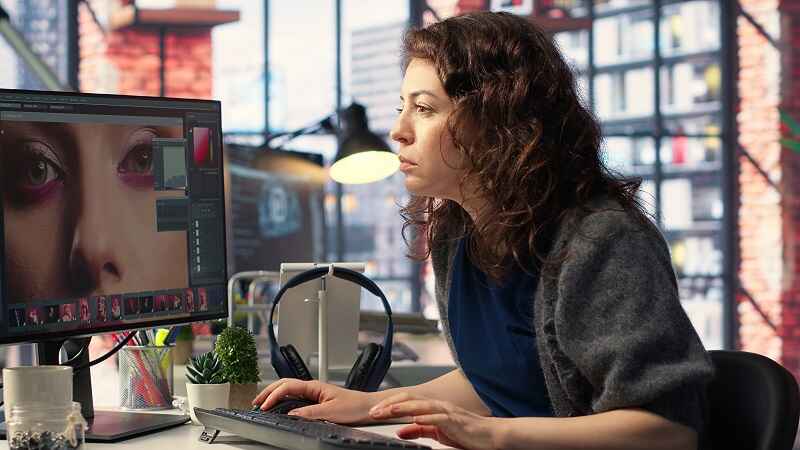
The creative industry is undergoing one of the most profound transformations in its history. Artificial intelligence is no longer a distant or experimental idea—it has become a daily companion for designers, marketers, and businesses worldwide. In this rapidly evolving environment, AI Graphic Design gfxrobotection emerges as a powerful force that is reshaping how creativity is imagined, executed, and delivered.
Modern brands demand high-quality visuals at unprecedented speed. Designers are expected to produce more concepts, revisions, and formats than ever before. AI Graphic Design gfxrobotection responds to these pressures by combining intelligent automation with creative flexibility, allowing professionals to focus on ideas, storytelling, and impact rather than repetitive technical tasks.
AI is no longer replacing designers—it is acting as a creative copilot, enhancing human imagination and unlocking new possibilities in visual communication.
The Evolution of Graphic Design in the AI Era
Graphic design has always evolved alongside technology. From hand-drawn illustrations to desktop publishing, from vector-based software to cloud collaboration, every innovation has expanded creative potential. AI Graphic Design gfxrobotection represents the next milestone in this evolution.
Traditional workflows often involve time-consuming steps such as:
-
Resizing assets for multiple platforms
-
Adjusting layouts and typography
-
Selecting color palettes
-
Maintaining brand consistency
AI-driven systems now handle these tasks instantly. By learning from past designs and industry best practices, AI applies intelligent adjustments automatically. This evolution does not replace creativity—it removes friction, allowing designers to experiment freely and push creative boundaries without technical limitations slowing them down.
AI Graphic Design as a Creative Copilot
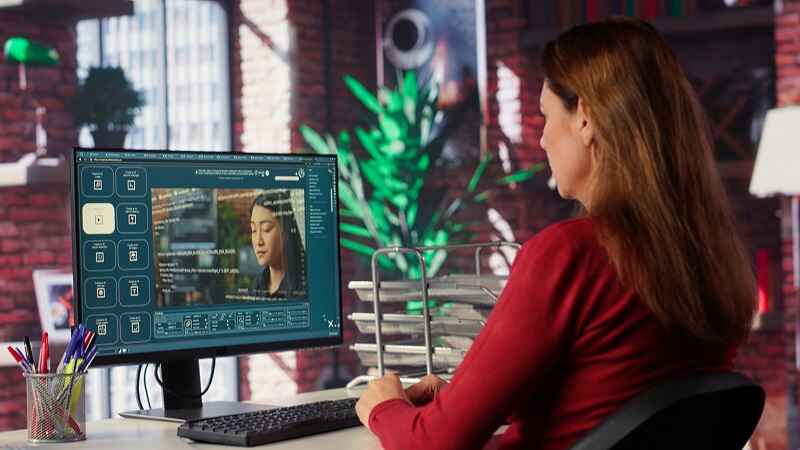
AI graphic design functions as a copilot rather than a controller. Designers remain in charge, while AI supports them with intelligent suggestions and rapid execution.
Instead of starting from a blank canvas, designers begin with:
-
AI-generated layouts
-
Style recommendations
-
Visual variations
This collaborative approach accelerates ideation and reduces creative fatigue. The concept behind gfxrobotection aligns with protecting creative energy—letting AI handle repetitive work while humans guide the vision.
Redefining Creativity Through Intelligent Assistance
Creativity thrives when designers are free to explore ideas without unnecessary constraints. One of the most impactful aspects of AI Graphic Design gfxrobotection is its role as an intelligent creative assistant.
AI tools analyze:
-
Design context
-
Target audience
-
Brand goals
-
Global visual trends
Based on this data, AI suggests layouts, typography combinations, color systems, and visual styles. These suggestions often lead designers toward new creative directions they may not have considered otherwise. Importantly, human designers refine and shape these ideas, ensuring originality, emotion, and cultural relevance remain intact.
Key AI Graphic Design Capabilities
AI graphic design tools now offer advanced capabilities that are redefining professional workflows across industries.
Text-to-Vector Generation
Text-to-vector generation has become a breakthrough feature in modern design. Tools like Adobe Illustrator (AI-powered) allow designers to generate fully editable vector graphics from simple text prompts.
For example:
“Minimal tech startup logo with geometric shapes and blue tones”
Within seconds, AI produces scalable vector designs suitable for logos, icons, and branding assets.
Benefits
-
Faster logo creation
-
Infinite scalability
-
Complete creative control
This capability dramatically reduces production time while maintaining professional quality.
Generative Fill
-
Removes unwanted objects
-
Adds new elements naturally
-
Matches lighting and texture
Generative Expand
-
Extends backgrounds seamlessly
-
Adapts images for multiple aspect ratios
-
Eliminates manual cropping
These tools are essential for advertising, social media, and responsive design, where visuals must fit many formats quickly.
Automated Branding Kits
Brand identity creation has been revolutionized by AI. Automated branding systems can now generate:
-
Logos
-
Color palettes
-
Typography
-
Business cards
-
Social media templates
By analyzing a company’s industry and vision, AI Graphic Design gfxrobotection delivers cohesive branding systems that designers can refine. This is especially valuable for startups, agencies, and small businesses seeking professional results with limited resources.
AI-Powered Mockup Generation
Mockup creation once required advanced Photoshop or 3D rendering skills. Tools like Recraft now allow designers to instantly place designs onto realistic 3D product surfaces.
Advantages
-
Faster client presentations
-
Reduced production costs
-
No technical 3D expertise required
Mockups for packaging, apparel, and merchandise can now be created in minutes instead of days.
Essential AI Graphic Design Tools for 2026
Several platforms define the AI graphic design ecosystem today.
Canva Magic Design
Canva Magic Design uses AI to:
-
Generate complete layouts from prompts
-
Suggest social media templates
-
Automatically resize designs
It is widely used by marketers, content creators, and small businesses seeking speed and simplicity.
Leonardo.ai
Leonardo.ai specializes in:
-
High-quality branded illustrations
-
Pattern and texture generation
-
Consistent visual styles
It is ideal for designers who need custom creative assets rather than generic templates.
Freepik AI
Freepik AI offers:
-
Image upscaling
-
Detail retouching
-
Custom character creation
-
Motion graphics support
It plays a key role in advertising, animation, and digital marketing workflows.
Midjourney
Midjourney remains a leader in:
-
Artistic concept generation
-
Creative brainstorming
-
Unique visual styles
It is especially valuable during early ideation phases.
Boosting Efficiency Without Sacrificing Quality
Speed is essential in today’s creative industry. AI Graphic Design gfxrobotection automates repetitive tasks such as:
-
Background removal
-
Image enhancement
-
Format adaptation
-
Asset organization
By handling these processes, AI allows designers to focus on strategy, storytelling, and emotional impact. Projects that once took days can now be completed in hours without compromising quality.
AI-Driven Collaboration Across Teams
Modern design is collaborative. AI graphic design enhances teamwork by providing centralized platforms with:
-
Real-time collaboration
-
Automated asset management
-
Intelligent version control
Teams across different locations can work seamlessly while maintaining brand consistency and creative clarity.
Enhancing Brand Consistency
Maintaining a cohesive visual identity is challenging at scale. AI Graphic Design gfxrobotection ensures consistency by:
-
Automatically applying brand guidelines
-
Enforcing color and typography rules
-
Reducing errors and revisions
This leads to faster approvals and a unified brand presence across all channels.
Accessibility and Democratization of Design
One of the most transformative impacts of AI graphic design is accessibility. AI tools empower:
-
Small businesses
-
Startups
-
Non-designers
User-friendly interfaces and intelligent templates allow anyone to create professional visuals, while experienced designers benefit from advanced creative control. This democratization is reshaping the creative landscape.
Ethical Design and Creative Responsibility
As AI becomes deeply integrated into design, ethical responsibility grows. Designers must consider:
-
Originality
-
Copyright
-
Bias
-
Inclusivity
AI Graphic Design gfxrobotection supports ethical practices by promoting transparency, originality checks, and inclusive design principles—strengthening trust between brands and audiences.
Real-World Applications Across Industries
AI graphic design is now essential across sectors:
-
Marketing: Personalized campaigns
-
E-commerce: Dynamic product visuals
-
Education: Adaptive learning materials
-
Media: Consistent cross-platform visuals
-
Startups: Rapid brand identity creation
These applications show how AI-driven design has become a core communication tool.
Measuring Creativity and ROI with AI
Creativity is no longer purely subjective. AI Graphic Design gfxrobotection provides analytics on:
-
Visual performance
-
Audience engagement
-
Campaign effectiveness
This data-driven insight allows businesses to measure ROI while refining creative strategies.
The Future of AI Graphic Design
The future lies in human-AI collaboration. As AI systems better understand emotion, culture, and preferences, designers will increasingly act as creative directors, guiding intelligent tools toward meaningful outcomes.
AI will not replace human creativity—it will amplify it.
FAQs
Q1: How does AI graphic design improve creativity?
AI automates routine tasks, freeing designers to focus on ideas and innovation.
Q2: Can AI replace designers?
No. AI enhances efficiency but relies on human creativity and judgment.
Q3: Is AI graphic design suitable for beginners?
Yes. AI tools offer templates and guidance for non-designers.
Q4: Does AI limit creativity?
No. It expands creative possibilities while humans maintain control.
Q5: What benefits do businesses gain?
Faster production, consistent branding, and cost-effective visuals.
Conclusion
The creative industry is entering a new era where technology and imagination work together. AI Graphic Design gfxrobotection is not just a tool—it is a catalyst redefining creativity, efficiency, and innovation. By automating routine tasks, enhancing collaboration, and expanding creative potential, it empowers designers to focus on meaning, emotion, and impact.